Elegant Handwritten Font: Mandala Plants for Web Design
As a web designer, I'm always on the lookout for fonts that can bring a unique and elegant touch to my projects. Recently, I stumbled upon Mandala Plants, a beautiful handwritten font that has quickly become a favorite in my design toolkit. This typeface is not just visually appealing; it's also incredibly versatile and can add a distinct, timeless style to any digital project.
Visual Characteristics and Personality of Mandala Plants
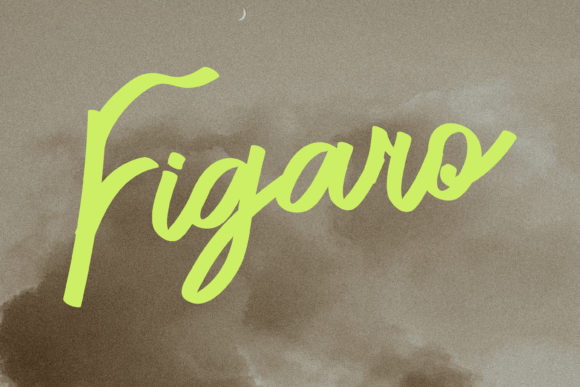
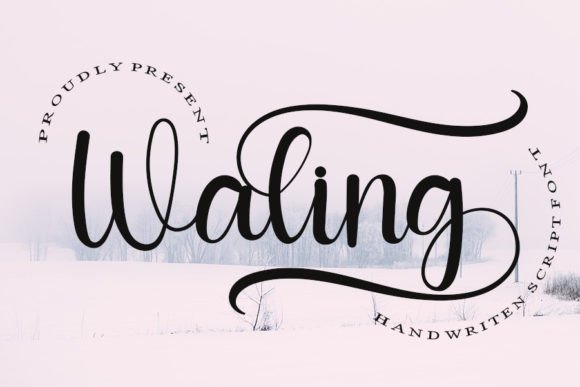
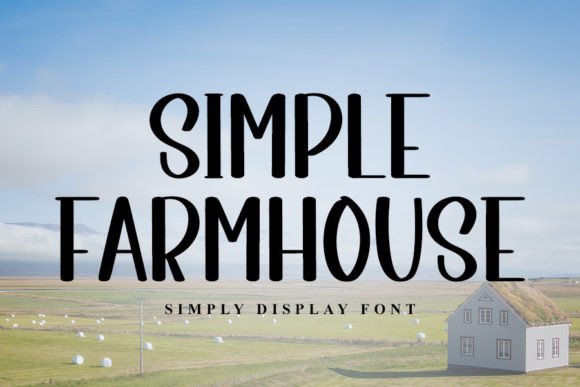
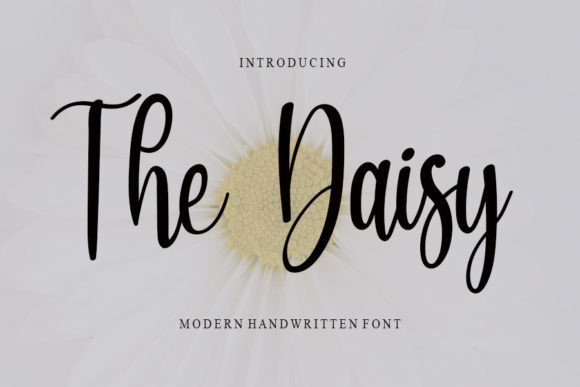
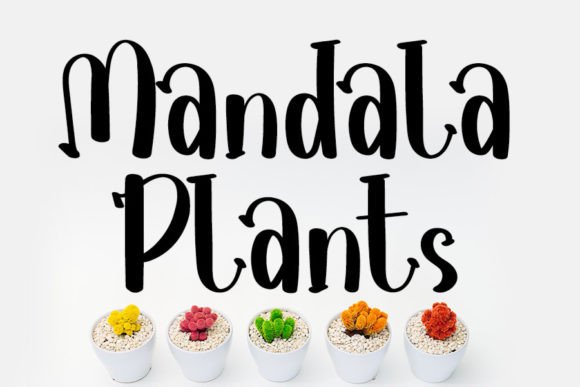
Mandala Plants is a premium font that exudes elegance and charm. Its handwritten style is both neat and expressive, making it perfect for adding a personal, handcrafted feel to your web designs. The font's graceful curves and subtle flourishes give it a refined yet approachable look, which can be a great asset for creating a welcoming and professional online presence.
The mood of Mandala Plants is one of sophistication and creativity. It’s a typeface that can elevate a simple design to something memorable and impactful. Whether you’re designing a creative portfolio, a boutique online store, or a coaching website, this font can help set the right tone and make a lasting impression.
Testing Mandala Plants in Real Web Layouts
I recently tested Mandala Plants in a variety of real web layouts, and I was impressed with its performance. For instance, I used it in the hero section of a creative portfolio site. The font's elegant touch perfectly complemented the clean, modern design, making the headline stand out and draw the viewer in. On mobile screens, the font maintained its readability and visual appeal, thanks to its well-balanced letter spacing and clear, legible characters.
In another project, I incorporated Mandala Plants into a product landing page for a boutique online store. The font was used for the main headings and call-to-action buttons. The result was a visually striking and cohesive design that enhanced the overall user experience. The font's decorative elements added a touch of luxury without overwhelming the layout, making it a perfect fit for a high-end brand.
Readability and Responsive Design Considerations
While Mandala Plants is a beautiful and distinctive font, it’s important to consider its readability, especially in responsive designs. For mobile screens, I recommend using a slightly larger font size and ensuring there is enough contrast between the text and the background. This will help maintain clarity and legibility, even on smaller devices.
For image overlays, such as banners and hero sections, Mandala Plants works exceptionally well. The font's elegant style can be used to create stunning visual effects, but it’s crucial to balance it with a clean, sans serif font for body copy and other detailed information. This combination ensures that the design remains both visually appealing and functional.
Font Pairing and Practical Use Cases
When it comes to font pairing, Mandala Plants pairs beautifully with a simple, clean sans serif font like Arial or Roboto. This combination creates a harmonious and balanced design, where the handwritten font adds character and the sans serif provides clarity and readability. For a more editorial or sophisticated look, you might consider pairing it with a classic serif font like Georgia or Times New Roman.
Some practical use cases for Mandala Plants include:
- Website Headers and Hero Sections: Use it for the main headline to create a strong, memorable first impression.
- Landing Pages and Call-to-Action Areas: Incorporate it for key messages and buttons to draw attention and guide user actions.
- Blog Graphics and Social Media Posts: Add a touch of elegance to your blog titles and social media graphics to enhance visual appeal.
- Digital Brand Kits and Campaign Pages: Use it for logos, taglines, and promotional materials to create a consistent and recognizable brand identity.
Limitations and Best Practices
While Mandala Plants is a versatile and attractive font, it may not be suitable for all web design elements. For example, it’s best to avoid using it for long body copy, small navigation text, and form labels, as these require a more readable and straightforward font. Additionally, for accessibility-heavy interfaces and dense dashboard layouts, a simpler, more legible font is recommended.
Before using Mandala Plants in your web projects, make sure to check the included styles, webfont availability, file formats, and commercial licensing. This will ensure that you have the necessary permissions and resources to use the font effectively and legally in your designs.
In conclusion, Mandala Plants is a fantastic choice for web designers looking to add a touch of elegance and personality to their projects. Its distinct and timeless style can enhance the visual appeal and user engagement of any digital experience, from creative portfolios to boutique online stores. Just remember to balance it with more readable fonts and use it judiciously to maintain both beauty and functionality in your designs.